Follow Me On Social Media!

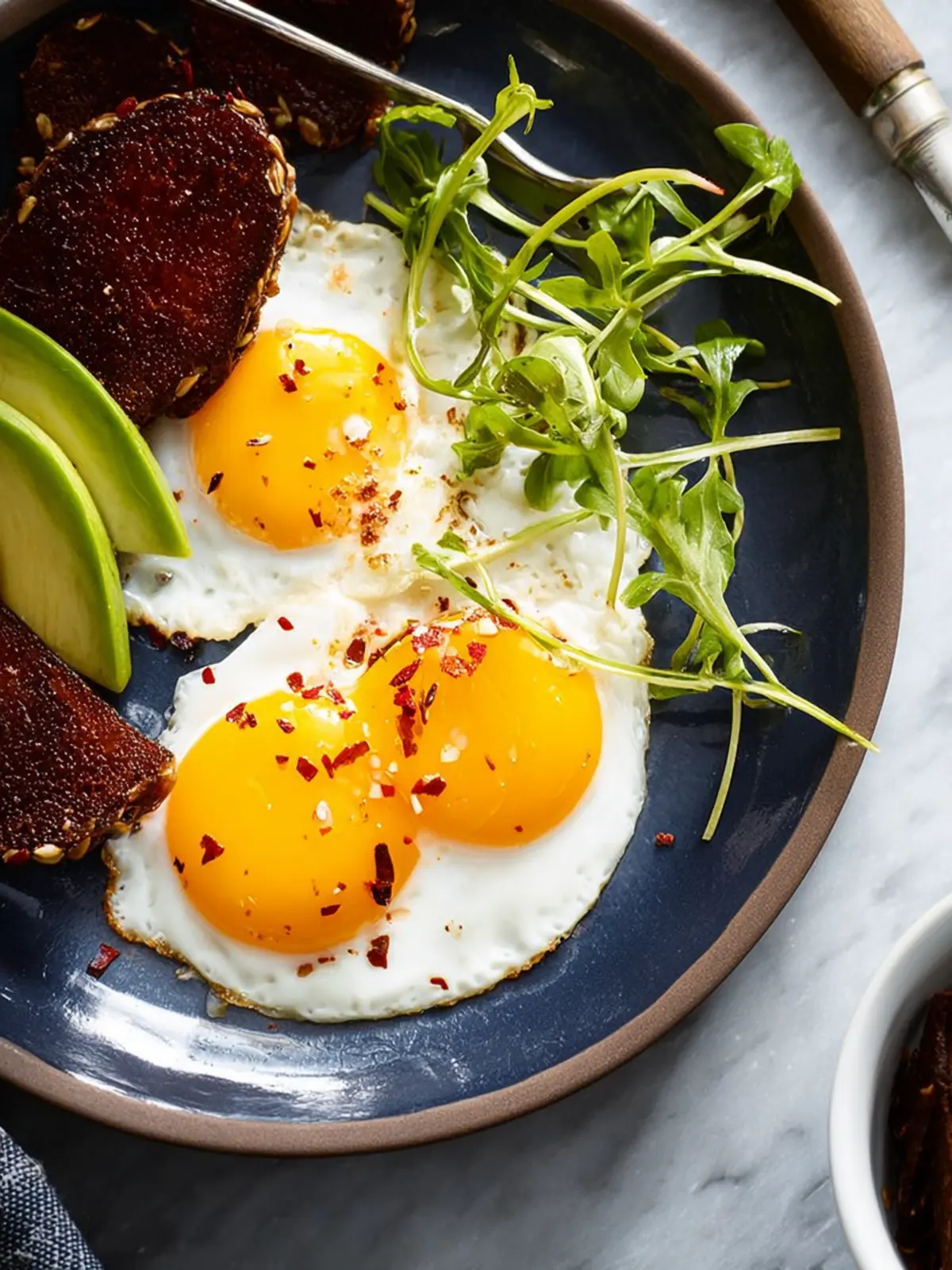
How to Cook Eggs: 10 Easy and Irresistible Ways to Delight

Introduction to Cooking Eggs: 10 Ways
Discovering how to cook eggs can feel like unlocking a treasure trove of culinary possibilities. Growing up, my weekends often revolved around the comforting aroma of eggs sizzling in a pan, an inviting prelude to lazy brunches with family. As I navigated the world of cooking, I found that eggs weren’t just a staple ingredient; they were a canvas for creativity. Whether you’re a busy professional crunched for time or someone who loves experimenting in the kitchen, mastering the art of egg preparation can elevate your meals, allowing you to impress friends, cater to dietary preferences, or simply enjoy a delicious breakfast.
So, what makes cooking eggs so versatile? The answer lies in their unique ability to adapt to countless cooking methods and flavor profiles. From the simplest scramble to the intricate precision of poaching, eggs can effortlessly transition from breakfast mainstay to elegant dinner centerpiece. Here are a few reasons why eggs are a cook’s best friend:
- Nutrient-Rich: Packed with protein, vitamins, and minerals, eggs provide a wholesome meal option. A single egg contains about 6 grams of high-quality protein, making it a satisfying choice for breakfast or a protein boost in any meal.
- Quick and Easy: With relatively short cooking times, eggs can be a lifesaver for quick meals. Most cooking methods take mere minutes, allowing you to whip up a nourishing dish even on the busiest of days.
- Flavor Versatility: Eggs can take on the flavors of whatever you pair them with, whether it’s spices, herbs, or accompanying ingredients. This adaptability means that no two egg dishes need to taste the same.
- Budget-Friendly: Eggs are generally quite affordable compared to many protein sources, making them an ideal option for budget-conscious individuals without compromising on nutrition.
As we delve into the various ways to cook eggs, each method brings its distinct flair and charm. Let’s explore these techniques that not only enhance your culinary skills but also transform your egg experience into something truly delightful!
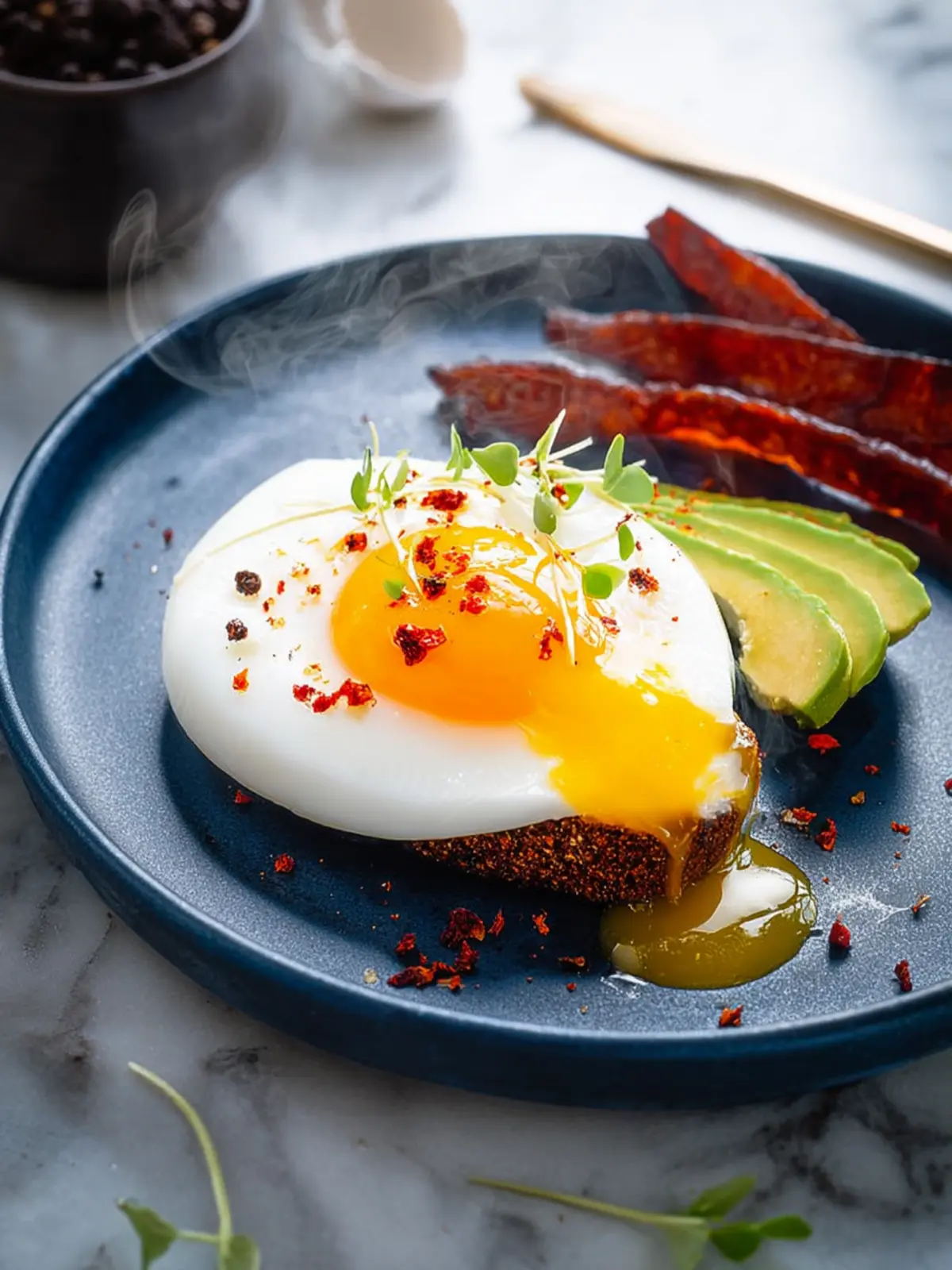
Key Ingredients for Cooking Eggs
Cooking eggs can be as simple or as creative as you want, turning the humble egg into a culinary delight. To achieve the best results, it’s essential to focus on quality ingredients that elevate the flavor and texture of your dish.
-
Eggs: The star of the show! For optimal taste and nutrition, choose large, fresh eggs. Organic or free-range varieties often have richer yolks, which enhance flavor significantly. Always inspect eggs for cracks before cooking—freshness matters.
-
Salt: A pinch of salt is crucial in bringing out the natural flavors of the eggs. It also aids in seasoning during the cooking process, whether you’re scrambling, frying, or poaching. Use kosher salt for that ideal balance and flavor.
-
Butter or Oil: Depending on your cooking method, using unsalted butter or cooking oil ensures your eggs don’t stick while adding richness. Butter imparts a deliciously creamy taste, while olive oil lends a lighter touch.
-
Milk or Cream: Adding a splash of milk or cream to scrambled eggs creates a fluffy texture. It’s a simple yet effective way to take the dish to the next level.
With these ingredients in hand, you’re well on your way to mastering the art of how to cook eggs!
Why You’ll Love Cooking Eggs
Getting cozy in the kitchen and learning how to cook eggs may become one of your favorite culinary adventures. Eggs are not just a breakfast staple; they’re a versatile canvas that welcomes a range of flavors and techniques. Imagine waking up to the enticing aroma of sizzling eggs—a simple joy that can transform your morning routine.
Here are a few reasons you’ll adore cooking with eggs:
- Nutritional Powerhouse: Eggs are packed with protein, healthy fats, and essential vitamins, making them a satisfying yet healthy option for any meal.
- Incredible Versatility: Whether you prefer them scrambled, poached, or hard-boiled, there’s a style of cooking eggs to match every palatable preference. You can easily incorporate them into salads, sandwiches, or enjoy them solo.
- Quick and Easy: Cooking eggs takes minimal time and effort. Perfect for those busy mornings or quick weeknight dinners, they can elevate a simple dish to a gourmet experience!
- Affordable Ingredient: Eggs are generally economical, giving you great value for a satisfying nutrient-rich meal.
Take a leap into the world of egg cooking! It’s a delightful way to hone your culinary skills while enjoying delicious meals that fit effortlessly into your lifestyle.
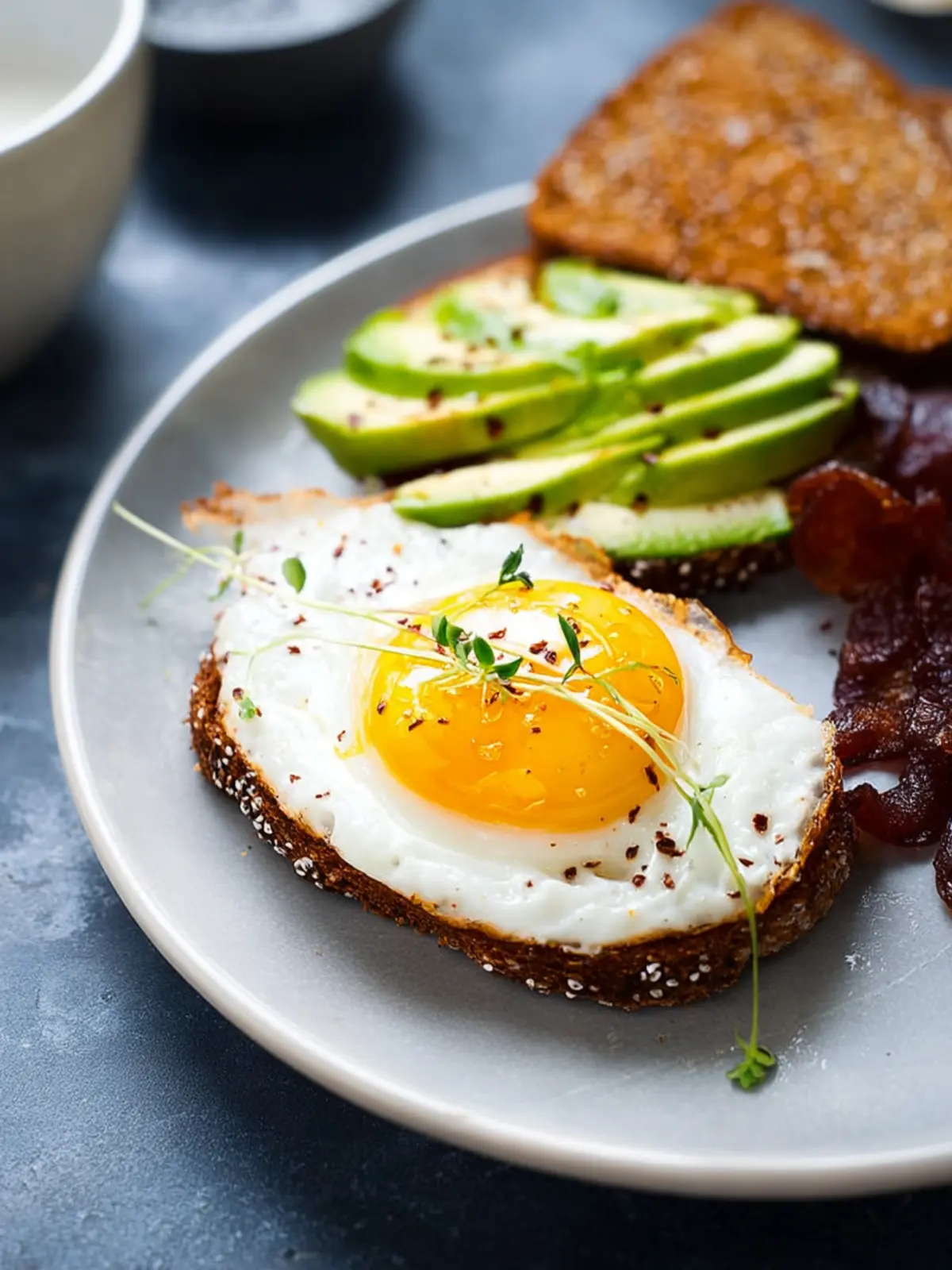
Tips for Cooking Eggs Perfectly
Cooking eggs can be more than just a morning ritual; it’s an art that transforms a simple ingredient into a masterpiece in your kitchen. Whether you’re aiming for a perfectly poached egg or fluffy scrambled delights, following a few helpful tips can elevate your egg game.
Choose the Right Eggs
- Fresh eggs make all the difference. They not only taste better, but they also hold their shape during cooking. When you crack open a fresh egg, the whites are thick and firm, perfect for frying or poaching.
Temperature Matters
- Before cooking, bring eggs to room temperature for improved cooking results. This helps achieve even cooking and prevents the whites from being rubbery.
Mastering Cooking Techniques
- For scrambled eggs, whisking in a bit of milk or heavy cream adds a creamy texture. Cook them low and slow for the fluffiest results.
- If you’re roasting or baking, use a water bath for delicately cooked custardy eggs. It ensures gentle heat dispersal, which is key for a silky finish.
Season Wisely
- Add salt at the right time—when eggs are finished cooking, to prevent them from turning watery. A sprinkle of fresh herbs can also enhance their flavor without overwhelming.
By embracing these techniques, you’ll soon find that mastering how to cook eggs transforms breakfast into a delightful culinary experience. Happy cooking!
Time Details for Cooking Eggs
Cooking eggs is not just a task; it’s a delightful journey into the culinary world. Whether you’re mastering the art of scrambled eggs or poaching like a pro, understanding the time involved can make all the difference in your cooking experience.
Preparation Time
- For most methods, prepare about 5-10 minutes. This includes gathering your ingredients and equipment, and any chopping or whisking needed.
Cooking Time
- Cooking times vary depending on the method:
- Boiling: 6-12 minutes
- Scrambling: 3-5 minutes
- Poaching: 4-6 minutes
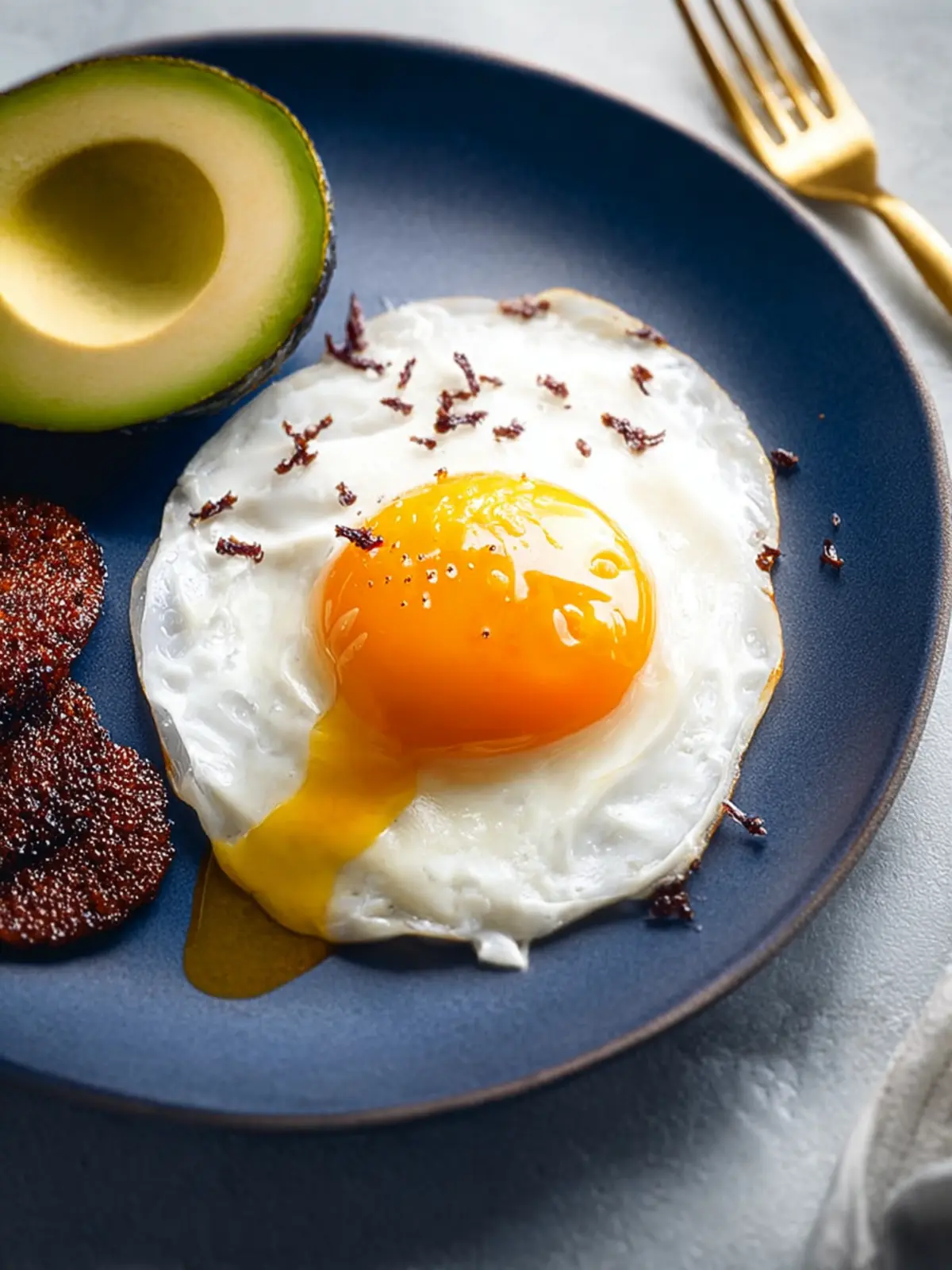
- Frying: 3-5 minutes
Total Time
- Expect around 10-20 minutes for your entire egg-cooking adventure, depending on how you choose to showcase your egg-cooking skills. Enjoy this time; it’s where the magic happens!
Nutritional Information for Cooking Eggs
Cooking eggs is not just about mastering techniques; it also brings a healthy punch to your meals. Packed with nutrients, eggs are a fantastic choice for young professionals aiming for a balanced diet.
Calories
Eggs are surprisingly low in calories, with one large egg containing about 70 calories. This makes them a perfect protein-packed addition to your morning routine without weighing you down.
Protein
One of the standout features of eggs is their protein content. Each large egg provides roughly 6 grams of high-quality protein, essential for muscle repair and keeping you feeling full throughout the day.
Cholesterol
While eggs contain about 186 milligrams of cholesterol, recent research suggests that for most healthy individuals, consuming eggs in moderation has minimal impact on heart health. So enjoy those eggs guilt-free!
FAQs about Cooking Eggs
When you’re diving into the art of cooking eggs, it’s only natural to have some questions. Eggs are versatile and can be prepared in countless ways, but there are a few common queries that many home cooks encounter. Let’s unravel these mysteries together!
What’s the best way to scramble eggs?
When it comes to the best way to scramble eggs, the key is low and slow. Start with fresh eggs, whisk them well until the yolks and whites are fully combined. In a non-stick skillet, melt a bit of butter over low heat, then pour in the eggs. Let them sit for about 10-15 seconds before gently stirring. This allows soft curds to form. Keep stirring occasionally until they’re softly set but still slightly runny. Remove them from the heat—residual heat will finish cooking them perfectly!
How do I know if my eggs are fresh?
To check the freshness of your eggs, try the water test. Fill a bowl with water and gently place the egg inside. If it sinks and lays flat on the bottom, it’s fresh. If it stands upright or floats, it’s best to discard it. Fresh eggs have a thicker white and firmer yolk, whereas older eggs will have a more watery texture.
Can I make eggs ahead of time?
Absolutely! If you’re wondering how to cook eggs in advance, consider making a batch of hard-boiled eggs. They can be stored in the fridge for up to a week. For scrambled eggs, cook them ahead and store them in an airtight container in the refrigerator. Just reheat gently on low heat in a skillet, and you’ll have a quick meal ready to go.
Planning your egg dishes ahead can make busy mornings much more manageable!
Conclusion on Cooking Eggs
As we’ve explored various techniques on how to cook eggs, it’s clear that this humble ingredient is incredibly versatile. From fluffy scrambled eggs to perfectly poached eggs, each method brings its own unique flavor and texture. Whether you’re a beginner in the kitchen or a seasoned chef, mastering these techniques not only elevates your breakfast game but also opens the door to countless meal possibilities. Remember, practice makes perfect! So, don’t hesitate to experiment with these methods and find your favorites. Enjoy the journey of cooking eggs, and savor the delicious results each time!
Print
How to Cook Eggs: 10 Ways
- Total Time: 25 minutes
- Yield: 2 servings 1x
- Diet: Vegetarian
Description
Discover various ways to cook eggs, from boiling to poaching to frying and beyond! Each method brings out unique flavors and textures, making eggs a versatile ingredient for any meal.
Ingredients
Scale
- 2 large eggs
- 1 tablespoon butter (for frying)
- Salt to taste
- Pepper to taste
Instructions
- For boiled eggs, bring a pot of water to a boil. Gently add the eggs and boil for 6-12 minutes depending on your desired doneness.
- For scrambled eggs, whisk eggs with salt and pepper, heat butter in a pan, add the eggs, and stir until just set.
- For fried eggs, heat a small amount of butter in a pan over medium-high heat, crack in the eggs, and cook until the whites are set and the yolk is at your preference.
- For poached eggs, simmer water with a splash of vinegar, create a whirlpool, and gently drop in the eggs, cooking for about 3-4 minutes until whites are set.
- For baked eggs, preheat the oven to 375°F (190°C), crack eggs into a greased ramekin, season, and bake for about 10-15 minutes.
Notes
- Fresh eggs are best for poaching as they hold their shape better.
- For a creamier texture, add a splash of milk or cream to scrambled eggs.
- Experiment with seasonings and herbs to elevate the flavor.
- Prep Time: 10 minutes
- Cook Time: 15 minutes
- Category: Breakfast
- Method: Various
- Cuisine: American
Nutrition
- Serving Size: 1 serving
- Calories: 155
- Sugar: 1g
- Sodium: 126mg
- Fat: 11g
- Saturated Fat: 4g
- Unsaturated Fat: 6g
- Trans Fat: 0g
- Carbohydrates: 1g
- Fiber: 0g
- Protein: 13g
- Cholesterol: 372mg