Follow Me On Social Media!

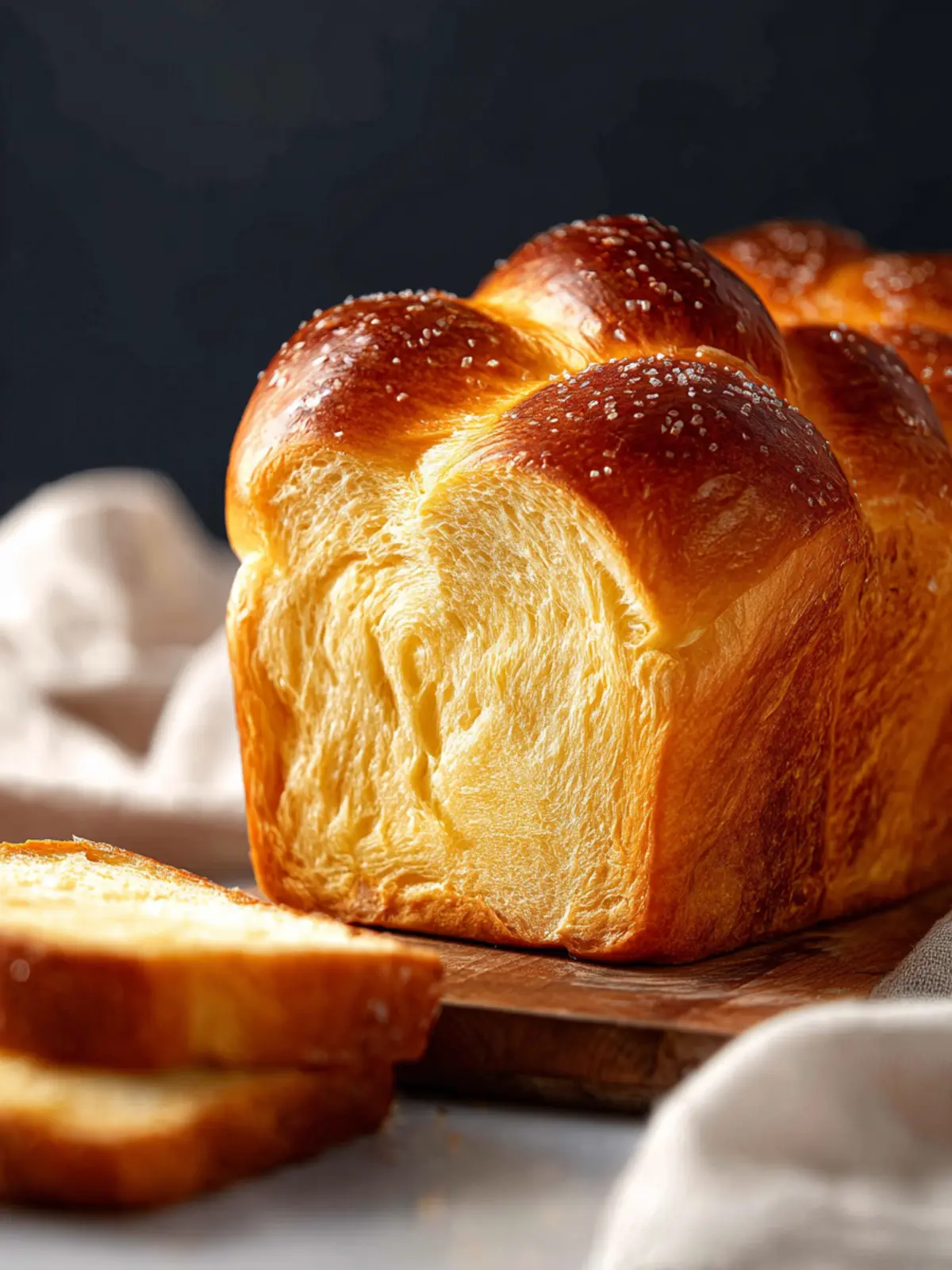
Brioche Bread Bliss: Irresistibly Soft & Buttery Delight

Introduction to Brioche Bread
Every time I pull a warm loaf of brioche bread from the oven, the inviting aroma transports me back to my grandmother’s kitchen, where butter and sugar melded in the air, wrapping us in a sweet embrace. This delightful bread, with its rich flavor and soft, pillowy texture, has a way of turning any meal into a celebration. Whether you’re slathering it with jam for breakfast or using it as the base for indulgent French toast, brioche bread has earned its special place in the culinary world.
It’s more than just a bread; it’s a testimony to the art of baking that embodies warmth, love, and a hint of nostalgia. But what exactly makes brioche bread so special?
What makes brioche bread so special?
Brioche stands out among other breads due to its luxurious ingredients and intricate preparation, making it a treat for the senses. Here are some key factors contributing to its unique appeal:
-
Rich Ingredients: The combination of eggs, milk, and butter gives brioche its distinctive richness. This makes every bite incredibly tender and moist, setting it apart from standard loaves.
-
Versatile Uses: From sandwiches to desserts, brioche serves as an incredible canvas. You can enjoy it plain, or transform it into French toast, bread pudding, or even sliders, showcasing its adaptability.
-
Kneading Technique: The dough requires a gentle yet thorough kneading to develop the gluten, ensuring a light and airy texture. Patience is key!
-
Flavor Development: The fermentation process, which often takes longer than other breads, enhances the flavors, resulting in a subtly sweet and buttery taste.
-
Cultural Connection: Brioche has a rich history dating back to medieval France. It is often associated with celebration and indulgence, making it a popular choice for special occasions.
Ultimately, brioche bread is not just about taste; it’s an experience that conjures memories, comforts the soul, and invites you to slow down and enjoy the finer things in life. Whether you’re new to baking or an experienced chef, making brioche can be a rewarding journey worth embarking on.
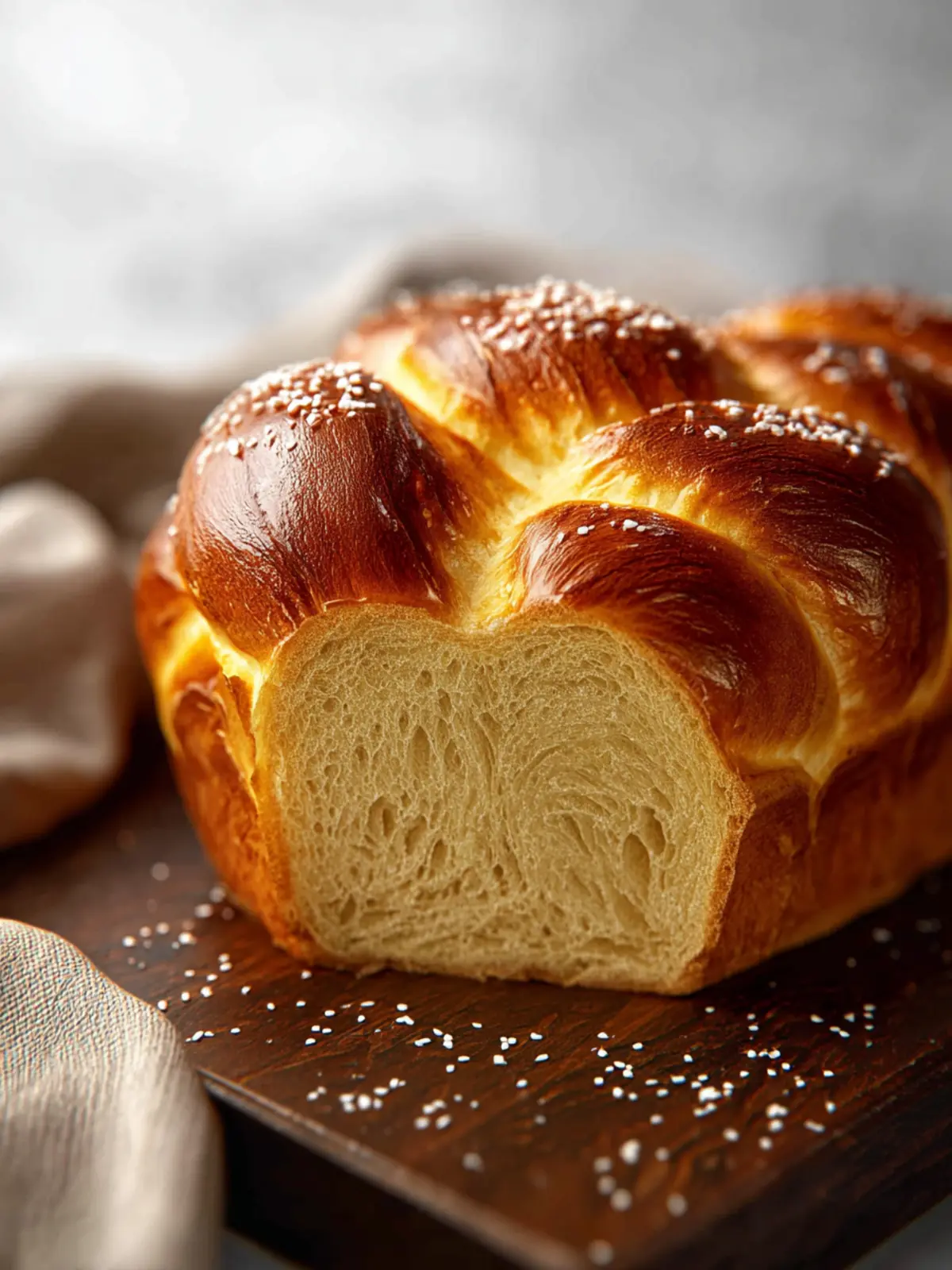
Key Ingredients for Brioche Bread
Brioche bread is a delightful culinary creation that transports you to the cozy corners of a French café with each bite. This deeply rich and buttery bread is elevated by carefully selected ingredients that contribute to its distinctive flavor and texture.
-
Flour: I primarily use all-purpose flour for its versatility, but if you’re feeling adventurous, bread flour can also provide a slightly chewier texture. The right flour forms the backbone of our brioche bread.
-
Butter: Unsalted butter is a must, as it adds a depth of flavor. I prefer using high-quality butter for that indulgent richness—it’s what makes the loaf so irresistible and perfectly tender.
-
Eggs: Fresh large eggs are essential in this recipe. They not only imbue the brioche with a lush golden hue but also contribute to its soft crumb. I often emphasize that organic or free-range eggs make a noticeable difference in taste.
-
Milk: Whole milk lends extra moisture to keep the bread tender. It also gives the brioche bread a slight richness that complements its buttery flavor.
-
Sugar: Granulated sugar is added to balance the flavors and provide just the right hint of sweetness. It’s a small but vital component that makes each bite heavenly.
-
Yeast: Active dry yeast helps the bread rise to fluffy perfection. If stored properly, good yeast is the key to achieving that beloved airy structure in brioche bread.
These ingredients come together beautifully, creating a bread that is not just food, but an experience that delights the senses.
Why You’ll Love This Brioche Bread
When it comes to baking, nothing compares to the joy of pulling a warm loaf of brioche bread from the oven. This recipe transforms simple ingredients into a delightfully soft and buttery bread that envelops your senses in a cloud of comfort and warmth. Imagine spreading a hint of homemade raspberry jam on a slice, or using it to elevate your breakfast with French toast.
What makes brioche bread truly remarkable? Here’s why you’ll adore every bite:
-
Indulgent Flavor: The rich flavor from the combination of milk, butter, and eggs creates a decadence that ordinary bread can’t match. You’ll experience an irresistible melt-in-your-mouth sensation with every slice.
-
Versatile Uses: Whether it’s for breakfast with a spread of your favorite jam or as the base for a gourmet sandwich, brioche bread is incredibly versatile. It also makes a luxurious bread pudding, ensuring no slice goes to waste.
-
A Process to Enjoy: The journey of making brioche bread is just as rewarding as the final product. Kneading the dough and watching it rise fills your kitchen with the aroma of freshly baked bread, an experience perfect for both seasoned bakers and novices alike.
This brioche bread recipe is not just about taste; it’s about creating cherished moments in your kitchen. You’ll love it, and I can’t wait for you to try it!
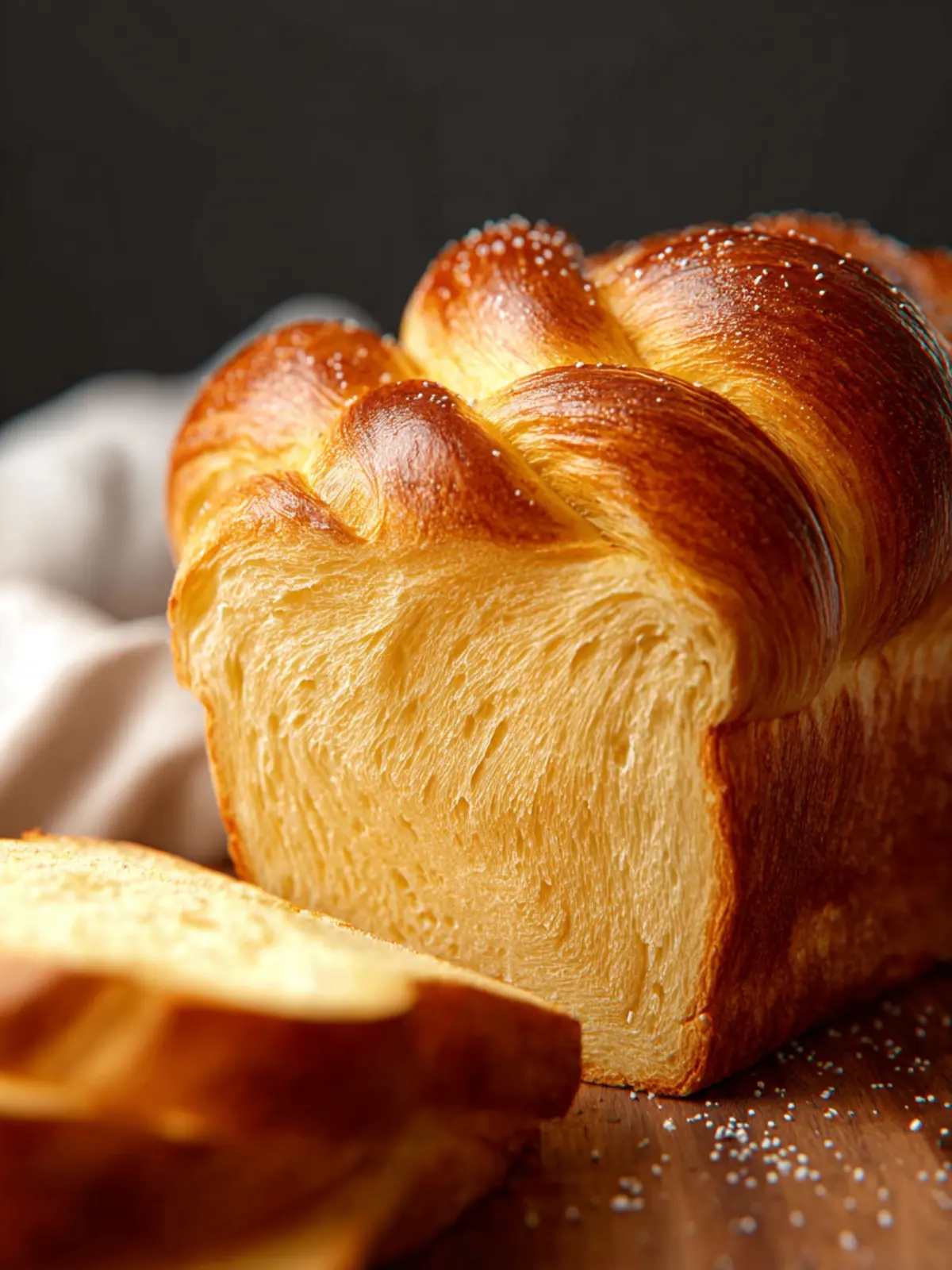
Tips for Making Perfect Brioche Bread
Creating the perfect brioche bread is an art form that combines patience, precision, and a whole lot of love. When I first dared to craft this buttery masterpiece, I learned a few essential tricks that made all the difference. Here are my top tips to guide you on this delicious journey.
Choose Quality Ingredients
- Flour: Use high-quality all-purpose flour. If you’re feeling adventurous, bread flour can add even more structure due to its higher protein content.
- Butter: Go for unsalted butter to maintain control over the salt levels. Melt it gently and let it cool to ensure a smooth incorporation into the dough.
- Milk: For the richest flavor, opt for whole milk over alternatives. The creaminess enhances the tender crumb that brioche is known for.
Master the Technique
- Kneading: When mixing your ingredients, knead until the dough becomes smooth and elastic. This might take longer than other bread recipes, but it’s vital for creating that tender texture.
- Proofing: Allow enough time for the dough to rise fully. A slow, cold rise in the refrigerator can help develop flavors and ensure a better texture.
Mind the Baking
- Egg Wash: Brush the dough with egg wash just before baking for a beautiful golden crust, ensuring it shines with an inviting appearance.
- Temperature: Invest in an oven thermometer. Proper baking temperature ensures your brioche bread turns out perfectly fluffy and avoids any undercooked centers.
With these tips, your journey to mastering brioche bread can be as enjoyable as the indulgent slices that await you. Happy baking!
Time Details for Brioche Bread
Creating the perfect brioche bread is truly an art, and understanding the time commitment is essential. Each step is designed to bring out the rich, buttery flavor and soft texture that brioche is celebrated for.
Preparation Time
Preparing your ingredients and mixing the dough takes about 20 to 30 minutes. Make sure everything is at room temperature to ensure optimal mixing.
Rising Time
The dough needs time to rise, about 2 hours in the first proofing step, followed by a 30-minute rise after shaping. Patience here pays off with lighter, fluffier bread.
Baking Time
Baking your brioche bread will take approximately 25 to 30 minutes. Keep an eye on the crust to achieve that golden-brown perfection.
Total Time
Overall, you’re looking at around 3 hours to create your brioche bread, including preparation, rising, and baking. A little time investment for a truly delicious outcome!
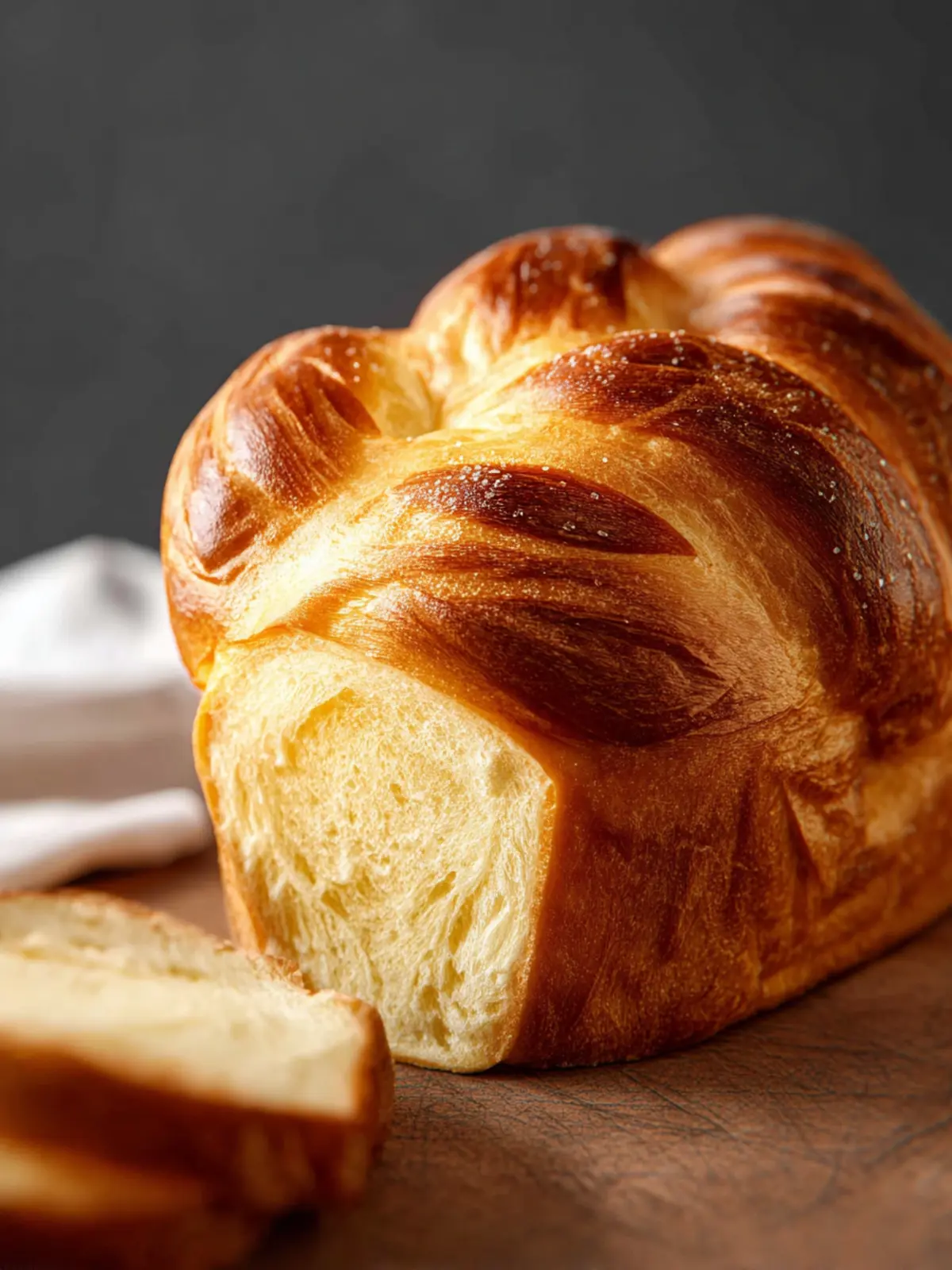
Nutritional Information for Brioche Bread
When you savor a slice of brioche bread, you’re not just indulging in its rich, buttery flavor; you’re also getting a delightful mix of nutrients. Knowing what you’re consuming can help you appreciate your baking efforts even more.
Calories
One slice of brioche bread contains approximately 250 calories. This makes it a satisfying treat that can easily fit into your daily meal plan, whether you pair it with a bit of jam for breakfast or use it in a decadent French toast recipe.
Protein
Brioche bread contains about 8 grams of protein per slice. This protein boost is great for helping to keep you full and satisfied throughout the morning.
Sodium
While enjoying the sweet taste of brioche, keep in mind it contains around 160 milligrams of sodium per slice. This is relatively moderate, allowing you to enjoy your loaf without excessive worry about salt intake.
FAQs about Brioche Bread
Exploring the art of brioche bread is like embarking on a culinary adventure, rich with possibilities and warm, buttery scents wafting through your kitchen. Whether you’re a seasoned baker or a novice, questions often arise when diving into this delectable treat. Let’s address some common queries!
Can I make brioche bread without eggs?
While traditional brioche bread relies on eggs for its signature rich texture and flavor, you can experiment with egg substitutes. Ingredients like applesauce, silken tofu, or a tablespoon of ground flaxseed mixed with water can help mimic the moisture and binding qualities of eggs. However, the final loaf may differ in taste and texture.
What’s the difference between brioche and regular bread?
The primary distinction lies in the ingredients. Brioche bread is enriched with butter, eggs, and milk, giving it a rich, tender crumb. Regular bread, such as white or whole wheat, typically only contains flour, water, salt, and yeast, resulting in a denser texture.
How do I store brioche bread?
To keep your brioche bread fresh, store it at room temperature in an airtight container for up to 3 days. For longer storage, wrapping it in plastic wrap and placing it in a resealable bag can help maintain its moisture.
Can I freeze brioche bread?
Absolutely! Slice the brioche bread before freezing to make it easier to thaw just the portions you need. Place the slices in a freezer-safe bag, and they can last for up to 3 months. Just toast or let them thaw at room temperature when you’re ready to enjoy.
How can I use leftover brioche bread?
Leftover brioche bread is a fantastic ingredient for various dishes! Use it to make French toast, bread pudding, or even a delicious sandwich. Its buttery richness adds a unique twist to any meal.
By addressing these FAQs, I hope to inspire your own baking journey with brioche bread while answering the lingering questions you may have! Enjoy your baking adventures!
Conclusion on Brioche Bread
Creating brioche bread at home feels like an indulgent journey—you’re not just baking; you’re crafting a moment of comfort and joy. With its rich buttery flavor and soft, tender crumb, this bread can elevate any meal from breakfast to dinner. The process may demand a bit of patience, especially during the rising times, but the delightful aroma that fills your kitchen is truly rewarding. Whether enjoyed fresh, toasted, or as part of a decadent French toast, your homemade brioche stands out, ready to impress family and friends alike. So, roll up your sleeves and dive into this delicious adventure!
Print
Brioche Bread
- Total Time: 3 hours
- Yield: 1 loaf 1x
- Diet: Vegetarian
Description
A rich and soft brioche bread perfect for breakfast or as a base for French toast.
Ingredients
Scale
- 1/2 cup (113g) milk
- 1/4 cup granulated sugar
- 2 teaspoon (6g) instant yeast
- 1 1/4 teaspoons (9g) salt
- 2 teaspoons vanilla extract
- 4 large eggs
- 3 3/4 cups (529g) all-purpose flour
- 1/2 cup (113g) salted butter
- As needed egg wash (for brushing the dough)
Instructions
- Heat milk for about 45 seconds in a microwave safe bowl until it is between 90℉ and 120℉.
- In a bowl, combine the warm milk, sugar, yeast, vanilla, salt, and 1 cup of the flour. Beat using the paddle attachment until smooth and combined.
- Add the eggs one at a time and mix well after each addition. Add remaining flour, about 1 cup at a time.
- Once all of the flour has been added, start adding the butter about 2 tablespoons at a time while mixing on medium speed. Mix between each addition until the butter is incorporated before adding the next chunk of butter. Once all of the butter has been added, beat for 6-8 minutes. The dough should be very soft and sticky but clear the bottom and sides of the bowl. Stop to scrape the bowl once or twice while mixing.
- Transfer the dough to a lightly oiled bowl, then cover with plastic wrap and let rise at room temperature for 1 1/2 to 2 hours or until doubled in size. Keep in mind that enriched doughs are heavier and take longer to rise, especially if the room temperature is cooler. If your house is around 68℉ or cooler it can take up to 3 hours to double in size. At this point, you can transfer the dough to the fridge to chill overnight, if desired.
- SHAPING OPTION 1 (Braided Loaf): Once the dough has doubled in size, divide it into 6 equal portions and shape into ropes that are about 6-8 inches longer than your bread pan. Braid three of the strands together, then pinch the ends together and tuck the ends under before placing in a buttered 8 loaf pan. Cover and let rise until the dough reaches the rim, filling the pan.
- SHAPING OPTION 2 (Double-hump Loaf): Once the dough has doubled in size, divide it into 4 equal portions and shape into balls. Place two balls of dough side-by-side into each buttered 8 loaf pan. Cover and let rise until the dough reaches the rim, filling the pan and creating a 2-humped brioche loaf with a seam in the middle.
- Loosely cover with plastic wrap and let rise again for another 1 1/2 to 2 hours or until puffy and above the rim of the loaf pans. If you chilled the dough in the fridge overnight, this second rise is likely to take more like 3 hours.
- During the last 30 minutes of the rising time, preheat the oven to 350℉ (177℃). Before baking, beat an egg in a small bowl and gently brush it on the top of the loaves with a pastry brush. Sprinkle with Swedish sugar pearls, if desired for a sweet brioche loaf.
- Bake for 30 to 35 minutes or until golden brown on top and an instant digital thermometer reads 190℉ when you test the bread. The bread will also sound hollow when thumped.
- Remove the loaves from the pans immediately after removing them from the oven and let them cool on a wire cooling rack for 1 hour before slicing and serving.
Notes
- For best results, allow the dough to rise in a warm environment.
- This brioche can be stored in an airtight container for up to 3 days.
- Can be frozen for up to 3 months.
- Prep Time: 30 minutes
- Cook Time: 35 minutes
- Category: Bread
- Method: Baking
- Cuisine: French
Nutrition
- Serving Size: 1 slice
- Calories: 180
- Sugar: 5g
- Sodium: 150mg
- Fat: 7g
- Saturated Fat: 4g
- Unsaturated Fat: 3g
- Trans Fat: 0g
- Carbohydrates: 24g
- Fiber: 1g
- Protein: 4g
- Cholesterol: 70mg